
For parents, choosing the right educational board is one of the most important decisions for the academic journey of their children. Choosing the right board has a big impact on the learning of children. It also determines the kind of opportunities that are going to be available to them in the years to come.
In India, the school education system is dominated by three major boards— the Central Board of Secondary Education (CBSE), the Indian Certificate of Secondary Education (ICSE), and the various State Boards. It is important for parents to understand that each board has its own assessment methods, learning framework and focus areas that shape the personal and intellectual growth of students.
Understanding the Three Major Boards
Before you decide which of these is most suitable for your child, you should understand how each board differs from the other in terms of teaching style, curriculum, accessibility and recognition.
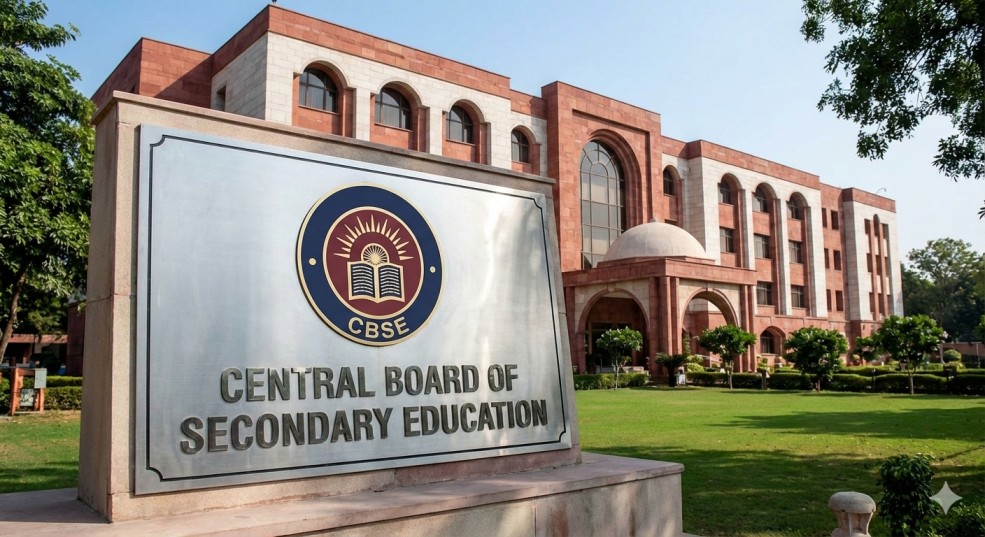
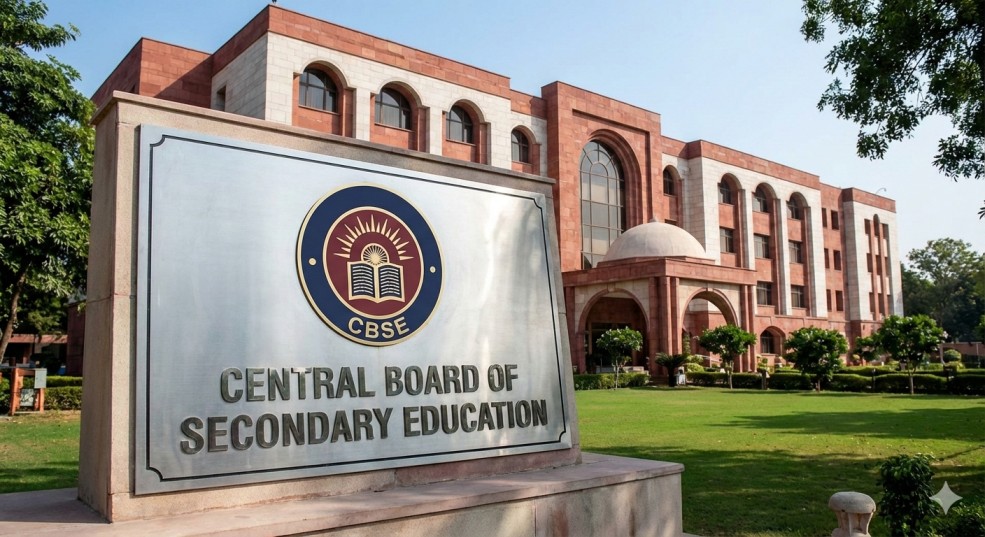
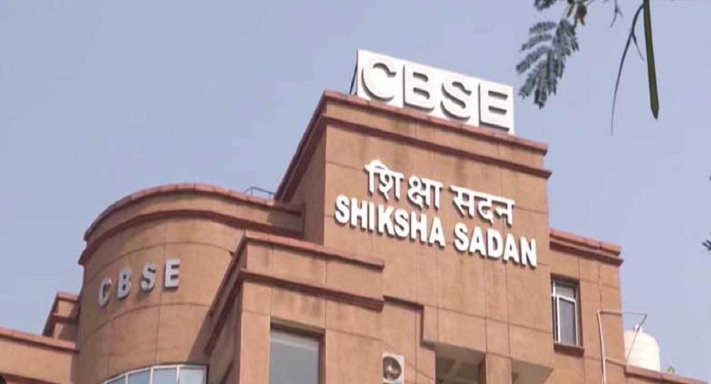
CBSE (Central Board of Secondary Education)
CBSE is the most popular national-level board of India. It functions under the Ministry of Education. It follows the NCERT (National Council of Educational Research and Training) curriculum and conducts two key national examinations:
· All India Secondary School Examination (AISSE) for Class 10 and
· All India Senior School Certificate Examination (AISSCE) for Class 12
The CBSE curriculum is concept-driven and structured in nature. It strongly focuses on mathematics and science. It promotes analytical and logical thinking, which makes it a perfect choice for students who want to prepare for national competitive exams such as UPSC, NEET and JEE. It is a standardized structure which ensures learning consistency across India, making it beneficial for families who have to move between states frequently.
ICSE (Indian Certificate of Secondary Education)
The Council for the Indian School Certificate Examinations (CISCE) administers the ICSE board. This board is recognized globally and has a comprehensive curriculum that pays equal importance to science, languages, arts and humanities. It conducts two examinations —
1. ICSE for Class 10 and
2. ISC for Class 12
English is the primary medium of instruction in ICC schools. It helps students to develop advanced writing and communication skills. The board has a broad and detailed syllabus which encourages creativity, critical thinking and practical knowledge application. As it has a holistic approach and strong foundation in English, ICSE is often the preferred choice for students who plan to pursue higher education overseas.
State Boards
Every state in India has its own state board, which designs its examinations, curriculum and assessment system independently. The syllabi often reflect the educational priorities, local history and regional culture of the state. These boards use both English and regional languages as mediums of instruction. It helps students to stay connected to their cultural and linguistic origins.
The learning style, depth of content and difficulty level widely differ across states. For instance, there are distinct syllabi of boards such as Maharashtra (MSBSHSE), Karnataka (KSEEB), Tamil Nadu (TNBSE), West Bengal (WBBSE), and Gujarat (GSEB) are designed around regional development needsand state-level competitive exams.
Detailed Comparison: ICSE vs CBSE vs State Board
Here is a detailed comparison of all the boards, based on various parameters:
Syllabus and Learning Style
The ICSE Board has a balanced syllabus that integrates practical and theoretical learning across science arts and literature. Students can get a deeper understanding of subjects through creative exploration and real-life application.
On the other hand, CBSE follows a concept-based and structured approach, especially suitable for students who want to clear national-level competitive exams.
State boards generally design their syllabus based on regional contexts and requirements, focusing on local relevance and state-level exams.
Medium of Instruction
English is the exclusive instruction medium for the ICSE Board, which strengthens global readiness and language proficiency. CBSE is flexible with both Hindi and English as mediums of instruction, which makes it accessible to a diverse population of students across the country. State boards mainly use regional languages for imparting education, although English is often included as a secondary medium for wider comprehension purposes.
Difficulty Level
The ICSE curriculum is more in-depth and is regarded as more challenging, as its syllabusis more extensive in nature. CBSE is moderately difficult, with a strong focus on concepts rather than an exhaustive one. The syllabus of State boards is generally simpler and more localized, although the difficulty level may vary based on the state.
Focus Areas
In ICSE schools, all-round development is promoted - balancing academics with creative expression,arts and literature. The main focus of CBSE board is on mathematics, science and logical reasoning, which makes it perfect for students who want to aspire for medical or engineering careers. State boards often focus on state-level subjects, history and local culture, aligning their curriculum with regional development objectives.
Cost and Accessibility
ICSE board education is generally more expensive, as most ICSE schools are managed privately and have advanced facilities. CBSE Schools range from affordable to premium and maintain a balance between accessibility and quality. State-board schools are the most affordable ones, with many government-aided schools ensuring education for both rural and urban areas.
What are the Pros and Cons of Each Board?
Global recognition, focus on analytical thinking and strong English Foundation are the major advantages of the ICSE board. However, the detailed curriculum can be quite demanding and there can be challenges due to limited availability of schools. Parents considering ICSE education should think about whether they plan to send their children overseas or prefer language-rich, holistic education.
CBSE is considered for its nationwide presence, alignment of syllabus with competitive examinations and standardized structure. It ensures smooth transferability of students across India and offers a balanced academic experience. However,students may sometimes get limitedpractical exposure due to its greater focus on theory. It is perfect for students who want to aim for professional courses like civil services, medicine or engineering.
For parents seeking affordable, locally relevant education, state boards are a preferable choice. With state-board education, students can understand the language, culture and administrative framework of their state of residence. But the variation in syllabus across states can be a limitation for students who have to relocate often. This type of education is best for pupils who want to pursue civil service careers or state-level opportunities.
Conclusion
The best board of choice depends on the interests, academic goals and learning preferences of your child. You should evaluate his or her long-term aspirations and pick a board that aligns best with those objectives.
Author : S.Roy
Also Read :








Leave a comment